
Beneath our feet and all around us exists an invisible universe teeming with life—environmental microbiomes that silently orchestrate the health of our planet’s ecosystems.

From the depths of ocean trenches to the peaks of mountain ranges, microscopic organisms are performing remarkable feats that sustain life as we know it. These tiny but mighty communities of bacteria, fungi, archaea, viruses, and other microorganisms form complex networks that influence everything from soil fertility to climate regulation. Understanding environmental microbiomes has become one of the most exciting frontiers in ecological science, revealing how these invisible workers shape the world in profound ways.
The study of environmental microbiomes represents a paradigm shift in how we understand ecosystem functioning. Rather than focusing solely on visible plants and animals, scientists now recognize that the real action happens at the microscopic level, where trillions of organisms engage in intricate relationships that drive nutrient cycling, decomposition, and energy flow throughout natural systems.
🌍 What Exactly Are Environmental Microbiomes?
Environmental microbiomes are diverse communities of microorganisms that inhabit specific environments outside of host organisms. Unlike the human gut microbiome or skin microbiome, environmental microbiomes exist independently in natural settings such as soil, water bodies, air, rocks, and even extreme environments like hot springs or arctic ice.
These microbial communities are incredibly diverse, with a single gram of soil potentially containing billions of individual microorganisms representing thousands of different species. Each environmental microbiome has a unique composition determined by factors including temperature, pH, moisture levels, nutrient availability, and interactions with other organisms.
What makes environmental microbiomes particularly fascinating is their metabolic versatility. These microscopic communities can perform chemical transformations that larger organisms cannot, breaking down complex compounds, fixing atmospheric nitrogen, producing essential nutrients, and even degrading pollutants.
The Soil Microbiome: Earth’s Hidden Workforce 🌱
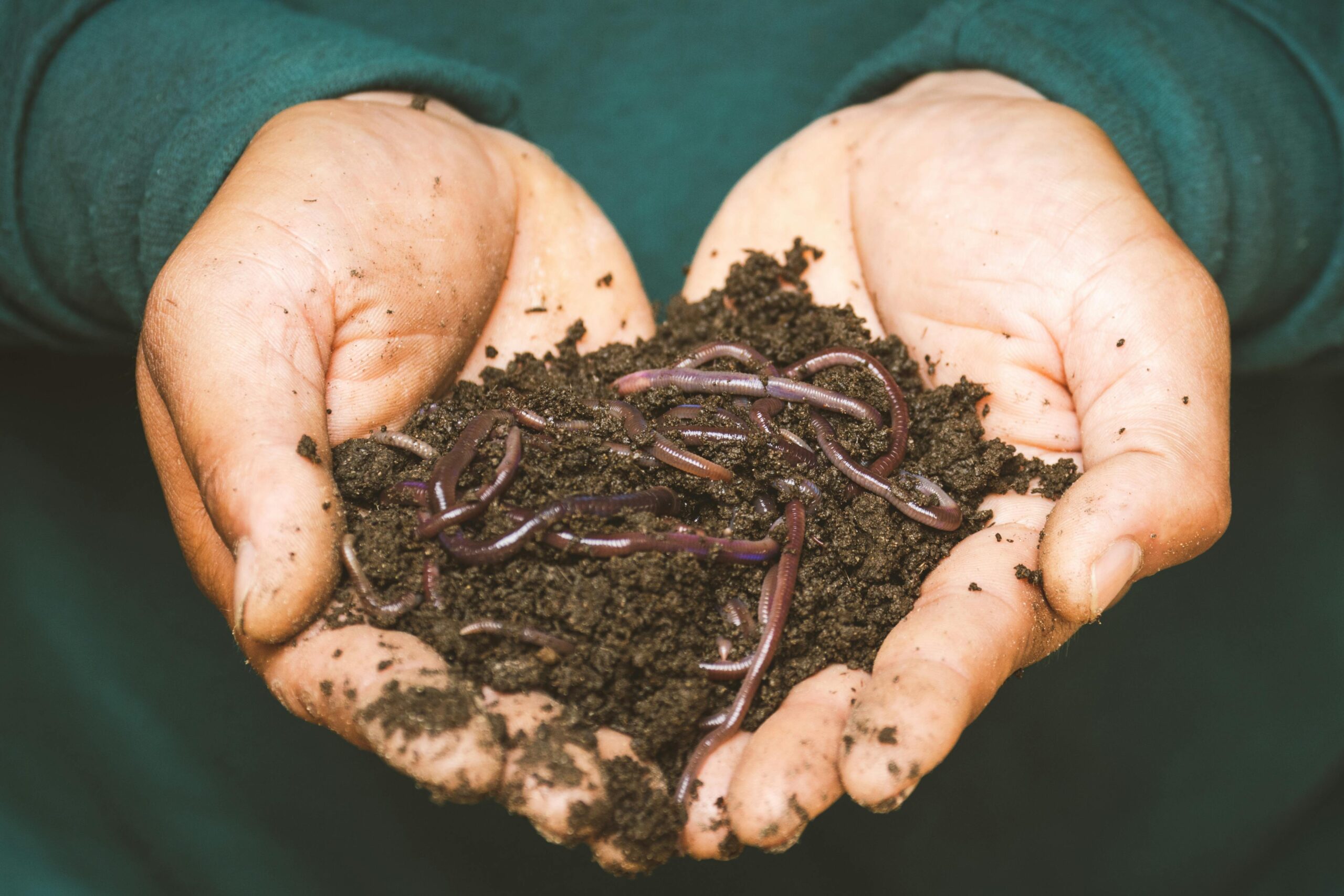
Perhaps the most studied environmental microbiome is found in soil, where an astonishing diversity of microbial life performs essential ecosystem services. Soil microbiomes are responsible for decomposing organic matter, cycling nutrients, suppressing plant diseases, and even influencing plant growth and health.
The relationship between soil microbes and plants is particularly remarkable. Through the rhizosphere—the narrow zone surrounding plant roots—plants and microorganisms engage in sophisticated chemical communication. Plants release compounds called root exudates that attract beneficial microbes, while these microorganisms help plants absorb nutrients, resist diseases, and tolerate environmental stress.
Mycorrhizal fungi represent one of the most important partnerships in soil microbiomes. These fungi form symbiotic relationships with approximately 90% of plant species, extending the reach of plant roots and dramatically increasing their ability to absorb water and nutrients, particularly phosphorus. In exchange, plants provide the fungi with carbohydrates produced through photosynthesis.
Nitrogen Fixation: A Microbial Superpower
One of the most economically and ecologically important functions performed by soil microbiomes is nitrogen fixation. Certain bacteria possess the unique ability to convert atmospheric nitrogen gas into forms that plants can use, essentially producing natural fertilizer. This process sustains agricultural productivity and natural ecosystem fertility worldwide.
Without nitrogen-fixing bacteria like Rhizobium species, which form nodules on legume roots, modern agriculture would be impossible without massive increases in synthetic fertilizer use. Understanding and harnessing these natural nitrogen-fixing partnerships represents a promising avenue for sustainable agriculture.
Aquatic Microbiomes: Invisible Engines of Ocean and Freshwater Systems 🌊
Water environments host incredibly diverse and productive microbiomes that drive global biogeochemical cycles. Marine microbiomes, in particular, play outsized roles in regulating Earth’s climate and producing oxygen that sustains life on our planet.
Phytoplankton—microscopic photosynthetic organisms including cyanobacteria and algae—produce approximately 50% of the oxygen in Earth’s atmosphere through photosynthesis. These tiny organisms form the foundation of aquatic food webs, supporting everything from zooplankton to the largest whales.
Beyond oxygen production, marine microbiomes participate in the biological carbon pump, a process where photosynthetic microorganisms capture atmospheric carbon dioxide and convert it into organic matter. When these organisms die, they sink to the ocean floor, effectively sequestering carbon in deep ocean sediments for thousands of years.
Freshwater Microbiomes and Water Quality
In lakes, rivers, and wetlands, microbiomes perform critical water purification services. Microbial communities break down organic pollutants, remove excess nutrients that cause harmful algal blooms, and transform toxic compounds into harmless substances. Constructed wetlands specifically designed to harness these microbial processes are increasingly used for wastewater treatment.
However, freshwater microbiomes are sensitive to human impacts. Pollution, climate change, and habitat destruction can disrupt these microbial communities, impairing their ability to provide ecosystem services and potentially leading to water quality problems.
🔬 Extreme Environment Microbiomes: Life at the Limits
Some of the most fascinating environmental microbiomes exist in extreme environments once thought to be lifeless. These extremophile communities thrive in conditions that would be instantly fatal to most organisms, providing insights into the limits of life and potential for life on other planets.
Hydrothermal vent microbiomes exist in complete darkness at crushing pressures and temperatures exceeding 100°C. These communities base their food webs not on photosynthesis but on chemosynthesis, where microorganisms derive energy from chemical reactions involving sulfur and other minerals released by the vents.
Similarly, microbiomes in acidic hot springs, hypersaline lakes, Antarctic ice, and deep subsurface rock formations demonstrate the remarkable adaptability of microbial life. Studying these extreme microbiomes has practical applications, from developing industrial enzymes that function at high temperatures to understanding how life might persist on Mars or other celestial bodies.
The Built Environment: Microbiomes in Human Spaces 🏢
Environmental microbiomes aren’t limited to natural settings. The built environment—including homes, offices, hospitals, and public transportation—harbors distinct microbial communities that influence human health and building function.
Building microbiomes are shaped by architectural design, ventilation systems, occupant activities, and outdoor environmental conditions. Research has shown that buildings with greater connection to outdoor environments and natural ventilation tend to have more diverse microbiomes, which may have health benefits for occupants.
Understanding built environment microbiomes has important implications for architecture, healthcare facility design, and public health. Hospitals, for instance, are working to manage microbial communities to reduce healthcare-associated infections while maintaining beneficial microbial diversity.
Climate Change and Environmental Microbiomes: A Complex Relationship 🌡️
As global temperatures rise and weather patterns shift, environmental microbiomes are responding in ways that could either amplify or mitigate climate change. This feedback loop between climate and microbiomes represents one of the most critical uncertainties in climate science.
Permafrost microbiomes provide a stark example. Arctic and subarctic soils contain massive amounts of frozen organic carbon. As permafrost thaws due to warming temperatures, previously dormant microbial communities become active and begin decomposing this organic matter, releasing carbon dioxide and methane—potent greenhouse gases—into the atmosphere.
However, microbiomes may also help mitigate climate change. Soil microbiomes that promote plant growth can increase carbon sequestration, while certain marine microbes consume methane before it reaches the atmosphere. Understanding these complex interactions is essential for accurate climate predictions and developing nature-based climate solutions.
🧬 Revolutionary Technologies Unveiling Microbial Worlds
Recent technological advances have transformed our ability to study environmental microbiomes. High-throughput DNA sequencing allows scientists to identify thousands of microbial species in environmental samples without needing to culture them in laboratories—a process that was previously impossible for most environmental microbes.
Metagenomics, the study of genetic material recovered directly from environmental samples, reveals not just which microorganisms are present but what they’re capable of doing. Metatranscriptomics takes this further by showing which genes are actively being expressed, providing real-time insights into microbial activities.
Advanced imaging techniques, including fluorescence microscopy and electron microscopy, allow researchers to visualize microbial communities in their natural contexts, revealing spatial arrangements and interactions that influence ecosystem function.
Practical Applications: Harnessing Microbiomes for Human Benefit 💡
As our understanding of environmental microbiomes deepens, practical applications are emerging across multiple sectors. Bioremediation uses microbial communities to clean up oil spills, mine waste, and contaminated groundwater, offering cost-effective and environmentally friendly alternatives to traditional cleanup methods.
In agriculture, microbiome-based products are increasingly available as alternatives to synthetic fertilizers and pesticides. These include microbial inoculants that enhance nutrient availability, biofertilizers containing nitrogen-fixing bacteria, and biocontrol agents that suppress plant pathogens.
The biotechnology industry mines environmental microbiomes for novel enzymes, antibiotics, and other valuable compounds. Extremophile microbes have yielded enzymes used in laundry detergents, biofuel production, and molecular biology research, including the famous Taq polymerase used in PCR, which was originally isolated from bacteria living in hot springs.
Conservation Implications: Protecting Invisible Biodiversity 🌿
Traditional conservation efforts focus on protecting visible species and habitats, but preserving environmental microbiomes is equally important. Microbial diversity underpins ecosystem resilience and function, yet it’s often overlooked in conservation planning.
Habitat destruction, pollution, and climate change threaten microbial diversity just as they threaten larger organisms. When unique environments are destroyed—such as old-growth forests with specialized soil microbiomes or pristine coral reefs with symbiotic microbial communities—we may lose microbial species and functions before we even discover them.
Progressive conservation strategies now incorporate microbial considerations, recognizing that protecting ecosystem function requires protecting the microscopic communities that drive it. This includes preserving diverse habitats, maintaining connectivity between ecosystems, and reducing pollution that disrupts microbial communities.
The Future of Microbiome Research: Endless Possibilities 🚀
Environmental microbiome research stands at an exciting frontier with enormous potential to address pressing global challenges. Future research directions include developing predictive models of how microbiomes will respond to environmental change, designing microbiome-based solutions for sustainable agriculture, and discovering novel biotechnology applications.
Citizen science initiatives are democratizing microbiome research, allowing people worldwide to contribute samples and data. This crowdsourced approach is mapping global microbial diversity at unprecedented scales, revealing biogeographic patterns and identifying hotspots of microbial innovation.
Synthetic biology approaches may eventually allow us to engineer beneficial microbial communities for specific purposes, from enhanced carbon sequestration to more efficient nutrient cycling. However, such applications must be approached cautiously with thorough ecological risk assessment.
🌏 Recognizing Our Microbial Planet
The emerging understanding of environmental microbiomes fundamentally changes how we view our planet. Rather than seeing ecosystems as collections of plants and animals, we now recognize them as integrated systems where microscopic organisms perform indispensable functions that sustain all life.
These invisible communities have been shaping Earth’s ecosystems for billions of years, long before plants or animals evolved. They’ve transformed our planet’s atmosphere, making it breathable for complex life. They’ve created fertile soils that support terrestrial ecosystems. They’ve driven the evolution of all other organisms through countless symbiotic partnerships.
As we face unprecedented environmental challenges including climate change, biodiversity loss, and pollution, understanding and protecting environmental microbiomes becomes increasingly critical. These microscopic communities hold keys to sustainable agriculture, climate mitigation, pollution cleanup, and maintaining healthy ecosystems.
The secret world of environmental microbiomes is no longer quite so secret, thanks to advancing technologies and growing scientific interest. Yet vast mysteries remain. Every handful of soil, every drop of ocean water contains microbial species never before described, performing functions we don’t yet understand. Unlocking these secrets promises to reveal not only how ecosystems function but also how we might work with nature rather than against it to create a sustainable future.
By recognizing the profound importance of these tiny organisms, we take an essential step toward more holistic and effective environmental stewardship. The next time you walk through a forest, wade in a stream, or even breathe the air, remember the invisible multitudes working tirelessly all around you—shaping ecosystems, driving global cycles, and ultimately making life on Earth possible. Our future depends on understanding, protecting, and wisely harnessing these remarkable microbial communities that truly run the world. 🌱🌍