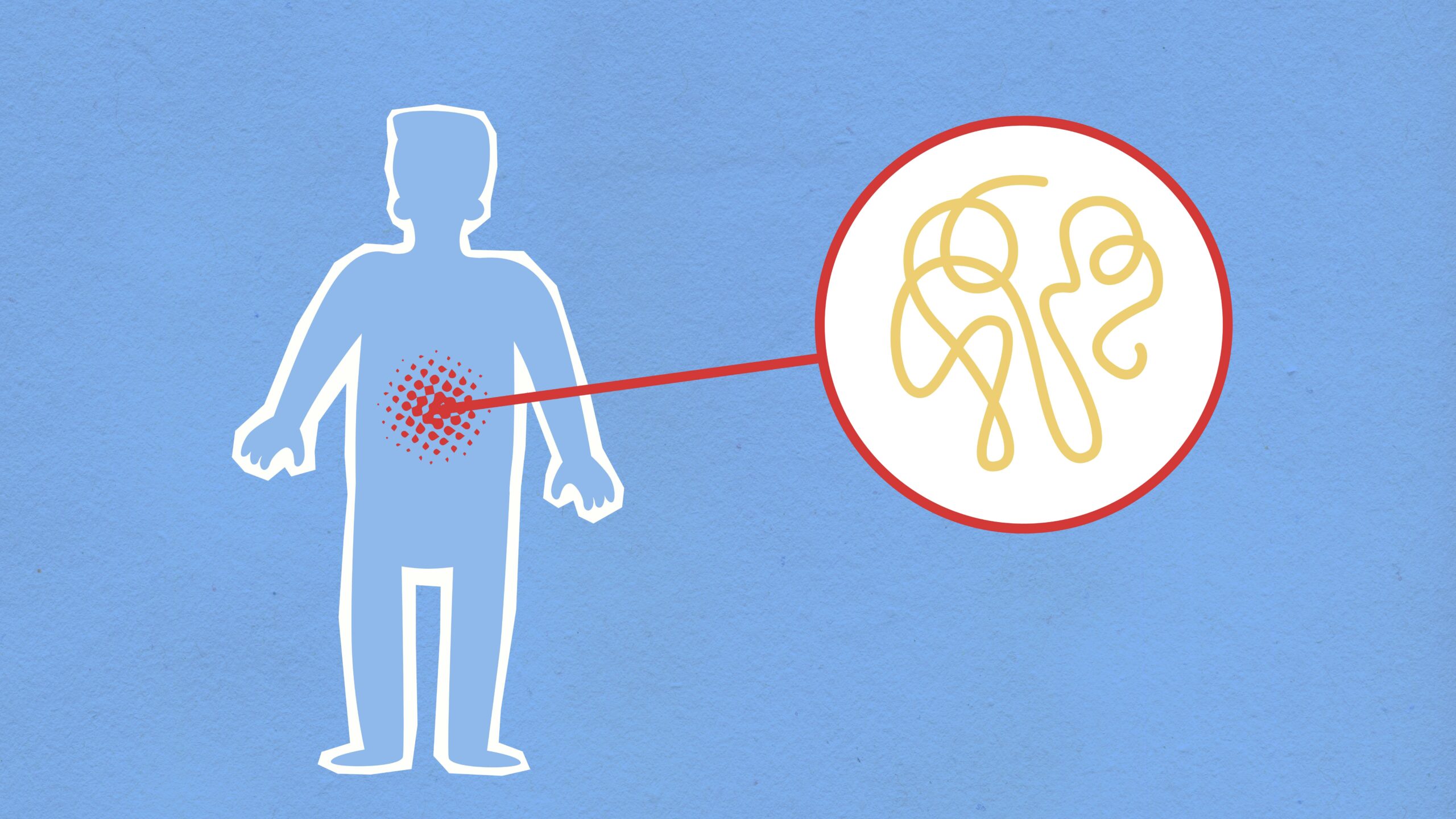
Artificial intelligence is transforming bioengineering at an unprecedented pace, unlocking possibilities once confined to science fiction and reshaping how we approach medicine.

🧬 The Convergence of Two Revolutionary Fields
The intersection of artificial intelligence and bioengineering represents one of the most exciting frontiers in modern science. As computational power increases exponentially and biological data becomes more accessible, researchers are leveraging machine learning algorithms to decode the complexities of life itself. This synergy is not merely incremental progress—it’s a paradigm shift that’s redefining drug discovery, personalized medicine, tissue engineering, and disease prediction.
Traditional bioengineering approaches often required years of trial and error, with researchers painstakingly testing countless variations before achieving desired results. AI accelerates this process dramatically by analyzing vast datasets, identifying patterns invisible to human observers, and predicting outcomes with remarkable accuracy. The result is a transformation that’s making healthcare more precise, accessible, and effective than ever before.
Accelerating Drug Discovery Through Machine Learning 💊
One of the most impactful applications of AI in bioengineering lies in pharmaceutical development. The traditional drug discovery pipeline is notoriously expensive and time-consuming, often taking over a decade and billions of dollars to bring a single medication to market. Artificial intelligence is disrupting this model by dramatically reducing both timeframes and costs.
Machine learning algorithms can screen millions of molecular compounds in days rather than years, predicting which structures are most likely to bind effectively with target proteins. Deep learning models trained on existing pharmaceutical data can suggest novel drug candidates that human researchers might never have considered. Companies like Atomwise, Insilico Medicine, and Recursion Pharmaceuticals are already using AI to identify promising treatments for conditions ranging from cancer to neurodegenerative diseases.
The COVID-19 pandemic highlighted AI’s potential in this arena. Researchers deployed machine learning models to rapidly screen existing drugs for potential efficacy against the novel coronavirus, identify vaccine candidates, and predict viral mutations. What would have traditionally taken years was accomplished in months, demonstrating the life-saving potential of AI-accelerated bioengineering.
Protein Folding: Solving Biology’s Grand Challenge
Perhaps no achievement better exemplifies AI’s revolutionary impact on bioengineering than DeepMind’s AlphaFold system. Understanding how proteins fold into their three-dimensional structures is fundamental to biology—these shapes determine protein function and are essential for developing targeted therapies. For decades, determining protein structures required expensive, time-intensive experimental techniques.
AlphaFold changed everything by using deep learning to predict protein structures with near-experimental accuracy. This breakthrough has profound implications for drug design, enzyme engineering, and understanding disease mechanisms. Researchers worldwide now have access to predicted structures for hundreds of millions of proteins, accelerating research across countless biomedical applications.
Personalized Medicine: Healthcare Tailored to Your DNA 🧪
The promise of personalized medicine—treatments customized to individual genetic profiles—has long tantalized the medical community. AI is finally making this vision a reality by analyzing complex genomic data and correlating it with clinical outcomes in ways that would be impossible through manual analysis.
Machine learning algorithms can process an individual’s entire genome, identifying genetic variants that influence disease risk, drug metabolism, and treatment response. This enables physicians to prescribe medications and dosages optimized for each patient’s unique biology, minimizing adverse reactions and maximizing therapeutic benefit.
Oncology has been particularly transformed by AI-driven personalized approaches. Tumor genomic profiling combined with machine learning can identify specific mutations driving cancer growth, enabling selection of targeted therapies most likely to be effective for that particular patient’s cancer. This precision approach is replacing the one-size-fits-all chemotherapy model with treatments that are more effective and less toxic.
Predictive Analytics for Disease Prevention
Beyond treatment, AI is enabling predictive medicine that identifies disease risk before symptoms appear. By analyzing patterns across genetic data, lifestyle factors, medical history, and biomarkers, machine learning models can forecast an individual’s likelihood of developing conditions like diabetes, cardiovascular disease, or Alzheimer’s.
This predictive capability allows for early interventions that can prevent disease onset or slow progression significantly. Wearable devices integrated with AI algorithms continuously monitor physiological parameters, detecting subtle deviations that may signal emerging health issues. This shift from reactive to proactive healthcare represents a fundamental transformation in medical practice.
🔬 Engineering Living Systems with Computational Precision
Synthetic biology—the design and construction of new biological parts and systems—has become exponentially more powerful with AI integration. Researchers are using machine learning to engineer microorganisms that produce pharmaceutical compounds, biofuels, or biodegradable materials. AI algorithms optimize genetic circuits, predict how engineered organisms will behave in different environments, and suggest modifications to achieve desired outcomes.
CRISPR gene-editing technology, already revolutionary on its own, becomes even more powerful when guided by AI. Machine learning models can predict off-target effects of genetic modifications, suggest optimal guide RNA sequences, and design complex multi-gene edits. This combination is enabling precise genetic corrections for inherited diseases, development of disease-resistant crops, and creation of cellular therapies for cancer.
Tissue Engineering and Regenerative Medicine
The dream of growing replacement organs and tissues is advancing rapidly thanks to AI-enhanced bioengineering. Machine learning algorithms optimize the complex parameters involved in tissue engineering—scaffold materials, growth factor concentrations, cellular compositions, and bioreactor conditions—accelerating development of functional biological tissues.
Three-dimensional bioprinting guided by AI can create intricate tissue structures that mimic natural organs. Algorithms analyze imaging data to design patient-specific scaffolds, then optimize printing parameters to ensure cell viability and proper tissue architecture. While fully functional bioprinted organs remain a future goal, AI is accelerating progress toward implantable tissues for conditions ranging from damaged cartilage to cardiac tissue repair.
Diagnostic Revolution: AI-Powered Medical Imaging 📊
Medical imaging has undergone a transformation through artificial intelligence, with deep learning algorithms now capable of detecting diseases from radiological images with accuracy matching or exceeding human experts. Convolutional neural networks trained on millions of medical images can identify subtle patterns indicative of cancer, fractures, infections, and numerous other conditions.
These AI diagnostic tools don’t replace physicians but augment their capabilities, serving as highly accurate second opinions and enabling radiologists to work more efficiently. In resource-limited settings where specialist expertise may be scarce, AI-powered diagnostic systems can provide high-quality screening and triage, improving healthcare access globally.
Beyond radiology, AI is enhancing pathology through digital slide analysis, dermatology through skin lesion classification, and ophthalmology through retinal imaging interpretation. The common thread is using machine learning to extract maximum diagnostic information from medical images, enabling earlier and more accurate disease detection.
⚡ Navigating the Challenges and Ethical Considerations
Despite its immense promise, AI in bioengineering faces significant challenges that must be addressed for responsible development. Data quality and availability remain fundamental issues—machine learning algorithms require large, diverse, well-annotated datasets to perform optimally. Medical data is often fragmented, inconsistent, and subject to privacy restrictions that complicate collection and sharing.
Algorithmic bias represents another critical concern. If training data doesn’t adequately represent diverse populations, AI systems may perform poorly for underrepresented groups, potentially exacerbating healthcare disparities. Ensuring fairness and equity in AI-powered biomedical applications requires intentional effort to include diverse datasets and rigorously test performance across different demographics.
Regulatory Frameworks and Safety
The rapid pace of AI innovation challenges existing regulatory frameworks designed for traditional medical products. Regulatory agencies worldwide are developing new approaches to evaluate AI-based medical devices and therapies, balancing the need for safety and efficacy validation with the imperative not to stifle innovation.
Explainability remains a significant hurdle—many powerful AI models function as “black boxes” whose decision-making processes are opaque. In healthcare contexts where understanding why a particular diagnosis or treatment was recommended is crucial, this lack of transparency poses challenges. Research into explainable AI aims to develop models that provide interpretable rationales for their predictions.
Privacy and Data Security
The massive datasets required for AI bioengineering applications contain sensitive personal health information. Protecting patient privacy while enabling beneficial research requires robust data governance frameworks, encryption technologies, and careful consideration of consent processes. Techniques like federated learning, which allows AI models to train on distributed datasets without centralizing sensitive information, offer promising solutions.
🚀 The Future Landscape: Where AI and Bioengineering Are Heading
Looking forward, the integration of AI and bioengineering will only deepen, with emerging technologies promising even more transformative applications. Quantum computing, when mature, could exponentially increase the complexity of biological systems that AI can model and optimize. This might enable simulation of entire cellular processes, prediction of complex drug interactions, and design of sophisticated genetic circuits beyond current capabilities.
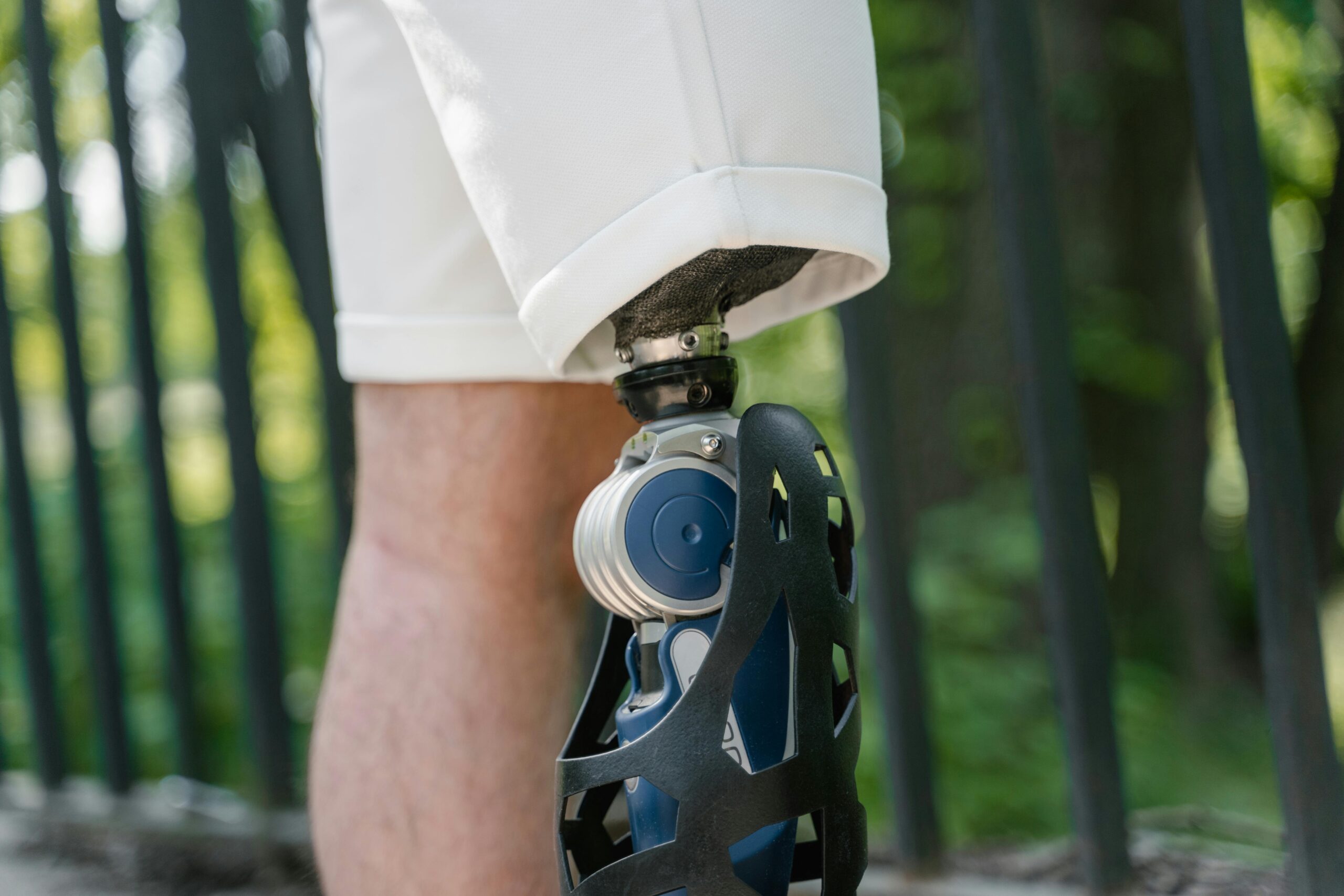
Brain-computer interfaces represent another frontier where AI-enhanced bioengineering could have profound impact. Machine learning algorithms are already decoding neural signals to enable paralyzed individuals to control prosthetic limbs or communicate through thought alone. As these technologies advance, they may restore function lost to injury or disease in ways previously unimaginable.
Longevity and Anti-Aging Research
AI is accelerating research into the fundamental biology of aging, analyzing complex datasets to identify interventions that might extend healthy lifespan. Machine learning models are discovering cellular pathways involved in aging processes, predicting compounds that might modulate these pathways, and identifying biomarkers of biological age distinct from chronological age.
While significant breakthroughs remain speculative, AI-driven approaches are bringing scientific rigor to longevity research, moving it from fringe speculation toward legitimate biomedical investigation. Understanding and potentially modulating the aging process could transform healthcare by preventing or delaying the onset of age-related diseases.
💡 Democratizing Innovation Through Open Science
One particularly encouraging trend is the growing open-science movement in AI-driven bioengineering. Many researchers and organizations are sharing datasets, algorithms, and trained models publicly, accelerating progress by enabling scientists worldwide to build on each other’s work. Platforms like GitHub host thousands of biomedical AI projects, while initiatives like the Protein Data Bank provide structural biology resources freely to the global research community.
This collaborative approach contrasts with traditional pharmaceutical development’s proprietary model, potentially accelerating discovery of treatments for neglected diseases affecting populations with limited purchasing power. AI’s ability to dramatically reduce research costs could make drug development economically viable for conditions that wouldn’t justify investment under traditional models.
Preparing the Next Generation of Bioengineers 🎓
As AI becomes integral to bioengineering, educational programs are evolving to prepare students with interdisciplinary skills spanning biology, engineering, computer science, and data analytics. The bioengineers of tomorrow will need to be equally comfortable with molecular biology concepts and machine learning algorithms, able to bridge these domains to drive innovation.
Universities are developing new curricula that integrate computational approaches throughout bioengineering education rather than treating them as separate specializations. This prepares graduates to leverage AI tools naturally in their research and development work, ensuring the field continues advancing rapidly.
🌍 Global Health Impact and Accessibility
Perhaps AI’s most significant potential contribution to bioengineering lies in improving global health equity. By dramatically reducing costs and time required for drug discovery, AI could enable development of treatments for diseases primarily affecting low-income populations. Machine learning-powered diagnostic tools deployed on smartphones could bring specialist-level medical screening to remote areas lacking healthcare infrastructure.
Several initiatives are already demonstrating this potential. AI-powered systems are diagnosing tuberculosis from chest X-rays in resource-limited settings, predicting disease outbreaks by analyzing epidemiological data, and optimizing distribution of limited medical resources. As these technologies mature and become more accessible, they promise to reduce healthcare disparities that have long characterized global medicine.
Embracing the Bioengineered Future 🔮
The convergence of artificial intelligence and bioengineering represents more than technological advancement—it’s a fundamental reimagining of humanity’s relationship with biology and medicine. We’re transitioning from passively accepting biological constraints to actively designing biological solutions, guided by computational intelligence that can navigate complexity far beyond human cognitive capacity.
This transformation brings both tremendous opportunity and significant responsibility. The technologies emerging from AI-enhanced bioengineering could eliminate diseases, extend healthy lifespans, and improve quality of life for billions. Realizing this potential while navigating ethical challenges, ensuring equitable access, and maintaining appropriate safeguards requires thoughtful engagement from scientists, policymakers, ethicists, and society broadly.
The revolution is already underway, with AI-discovered drugs in clinical trials, gene therapies reaching patients, and diagnostic algorithms deployed in hospitals worldwide. The next decades will likely bring advances that seem fantastical today—personalized cellular therapies designed in hours rather than months, preventive interventions that keep people healthy rather than treating disease, and regenerative approaches that repair damaged organs.
As we stand at this technological inflection point, one thing is clear: the integration of artificial intelligence into bioengineering isn’t simply improving existing approaches—it’s creating entirely new possibilities for understanding, modifying, and enhancing biological systems. The future of medicine is being designed now, powered by the unprecedented combination of biological insight and computational intelligence. This future promises to be more personalized, predictive, and powerful than anything preceding it, offering hope for addressing humanity’s most challenging health problems.