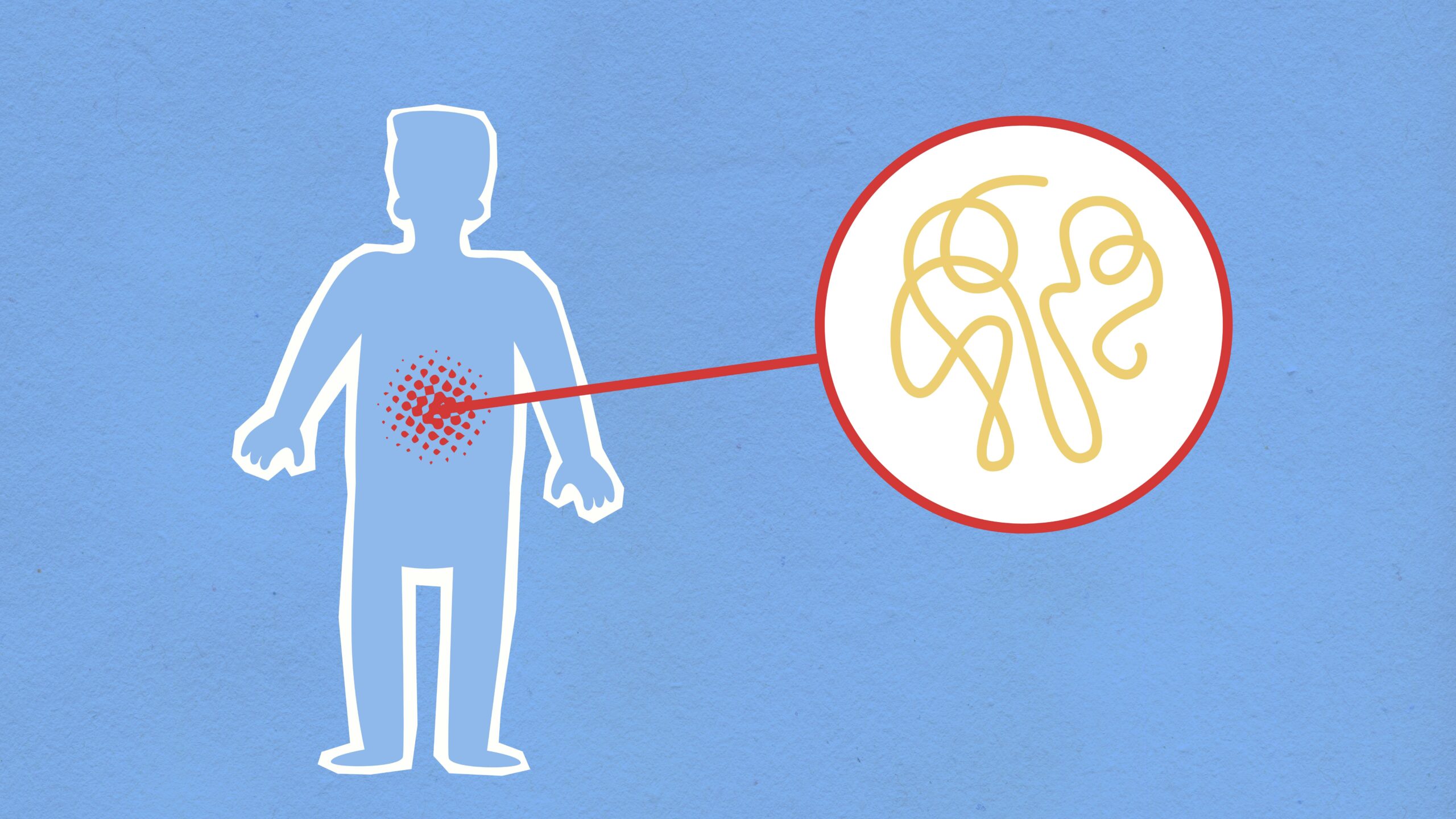
DNA stands as nature’s most sophisticated information storage system, encoding the blueprint of life itself in a microscopic yet infinitely complex molecular structure. 🧬

For decades, scientists have marveled at the elegant simplicity and overwhelming complexity of deoxyribonucleic acid. This remarkable molecule doesn’t just carry genetic instructions—it represents an information field so dense and efficient that modern technology can barely replicate its storage capabilities. Understanding DNA’s role as an ultimate information repository opens doors to revolutionary advances in medicine, biotechnology, and even quantum computing.
The Architecture of Life’s Information Highway
DNA’s structure resembles a twisted ladder, famously described as a double helix by Watson and Crick in 1953. This architectural marvel consists of two complementary strands wound around each other, creating a stable yet accessible information storage system. The rungs of this molecular ladder are formed by four nucleotide bases: adenine (A), thymine (T), guanine (G), and cytosine (C).
These four simple chemical letters combine in endless variations to encode every characteristic of every living organism on Earth. The human genome alone contains approximately 3 billion base pairs, yet this entire encyclopedia of human biology fits inside a cell nucleus measuring just 10 micrometers in diameter.
What makes DNA truly extraordinary as an information field isn’t just its storage density—it’s the sophisticated indexing, error-correction, and retrieval systems built into the molecular framework. Every cell contains the complete genetic library, yet only accesses the specific chapters needed for its particular function.
Information Density Beyond Silicon Dreams
Modern digital storage technology pales in comparison to DNA’s information density. A single gram of DNA can theoretically store 215 petabytes of data—that’s roughly 215 million gigabytes. To put this in perspective, all the data ever created by humanity could fit into a container the size of a shipping container if encoded in DNA.
Researchers have already demonstrated practical DNA data storage by encoding everything from classic books to computer operating systems into synthetic DNA strands. Microsoft and the University of Washington successfully stored 200 megabytes of data in DNA, including a high-definition music video, with 100% retrieval accuracy.
This remarkable storage capability stems from DNA’s four-base coding system, which offers more information per unit than binary code. While computers use 0s and 1s, DNA uses a quaternary system with A, T, G, and C, allowing for more compact information encoding.
The Durability Factor That Defies Time
Unlike hard drives that degrade within decades or optical media that becomes unreadable after years, DNA can preserve information for millennia under proper conditions. Scientists have successfully sequenced DNA from ancient specimens tens of thousands of years old, proving its exceptional longevity as a storage medium.
This durability makes DNA particularly attractive for archival storage of critical human knowledge. Organizations worldwide are exploring DNA-based storage for preserving cultural heritage, scientific data, and historical records that must survive for future generations.
Decoding the Language of Inheritance 🔬
DNA functions as more than static storage—it’s a dynamic information field that responds to environmental signals and cellular needs. The process of gene expression demonstrates how cells read, interpret, and act upon genetic information in real-time.
When a cell needs to produce a specific protein, it accesses the relevant genetic sequence through transcription. The DNA double helix temporarily unwinds, allowing enzymes to create a messenger RNA (mRNA) copy of the gene. This mRNA then travels to cellular factories called ribosomes, where the genetic instructions are translated into functional proteins.
This elegant system ensures that genetic information remains safely stored in the nucleus while working copies circulate throughout the cell. It’s analogous to keeping original documents in a secure archive while distributing photocopies to those who need them.
Epigenetics: The Information Field’s Control Panel
Recent discoveries in epigenetics reveal that DNA carries additional layers of information beyond the genetic code itself. Chemical modifications to DNA and associated proteins act as switches, turning genes on or off without changing the underlying sequence.
These epigenetic markers respond to environmental factors including diet, stress, and exposure to toxins. Remarkably, some epigenetic changes can be inherited, meaning parents can pass along not just genes but also information about environmental adaptations to their offspring.
This discovery fundamentally expands our understanding of DNA as an information field. It’s not merely a static blueprint but an interactive database that records cellular experiences and environmental encounters throughout an organism’s lifetime.
DNA as a Quantum Information System
Cutting-edge research suggests DNA may operate according to quantum mechanical principles, functioning as a quantum information processor. Several studies indicate that quantum coherence—the ability of particles to exist in multiple states simultaneously—may play a role in DNA’s stability and function.
Quantum tunneling, where particles pass through energy barriers they classically shouldn’t be able to cross, might explain certain mutation rates and the speed of enzymatic reactions involving DNA. These quantum effects could make DNA’s information field far more sophisticated than previously imagined.
Some researchers propose that DNA acts as a quantum antenna, capable of receiving and transmitting electromagnetic signals. While controversial, this hypothesis attempts to explain phenomena like distant DNA interactions and certain biological responses to electromagnetic fields.
The Code Within the Code: Hidden Information Layers
Scientists continue discovering that DNA contains multiple overlapping codes beyond the basic genetic instructions. The same sequence can encode different information depending on how it’s read, similar to how the same text can have different meanings in different contexts.
For instance, the duon code reveals that DNA sequences simultaneously specify amino acids in proteins and control gene expression. This dual-use coding dramatically increases the information density already present in the genome.
Other hidden layers include:
- Splicing codes that determine how genes are edited after transcription
- Regulatory codes that control when and where genes are activated
- Structural codes that influence how DNA folds in three dimensions
- Evolutionary codes containing remnants of ancestral genetic programs
This multilayered information architecture makes DNA exponentially more complex than initially understood when the genetic code was first cracked in the 1960s.
DNA’s Role in Cellular Communication Networks 📡
Beyond storing information, DNA participates in complex cellular communication networks. Recent research shows that cells can exchange genetic information through extracellular vesicles—tiny packages that shuttle DNA fragments, RNA, and proteins between cells.
This intercellular communication system allows cells to share information about stress conditions, coordinate responses to threats, and even transfer drug resistance. Cancer cells particularly exploit these communication channels to spread throughout the body and evade treatment.
Understanding DNA’s role in these communication networks opens new therapeutic possibilities. Researchers are developing strategies to intercept harmful messages while enhancing beneficial cellular coordination.
The Microbiome: An Extended Information Network
Human DNA doesn’t work in isolation—it functions within a vast ecosystem of microbial DNA from the trillions of bacteria, viruses, and fungi living in and on our bodies. This collective genetic information, called the microbiome, profoundly influences health, behavior, and disease susceptibility.
The microbiome contains approximately 100 times more genes than the human genome, creating an extended information field that interacts constantly with our own DNA. These microbial genes produce compounds that affect everything from digestion to mood, demonstrating how DNA-based information systems collaborate across species boundaries.
Harnessing DNA’s Information Power for Medicine
Modern medicine increasingly leverages DNA’s information field for diagnosis, treatment, and prevention. Genomic sequencing allows physicians to identify disease-causing mutations, predict drug responses, and customize treatment plans based on individual genetic profiles.
CRISPR gene editing technology enables direct modification of DNA’s information content, offering potential cures for genetic diseases previously considered untreatable. By precisely editing faulty genetic instructions, researchers can correct hereditary conditions at their source.
Liquid biopsies demonstrate another medical application of DNA as an information field. These blood tests detect tiny fragments of tumor DNA circulating in the bloodstream, enabling early cancer detection and monitoring treatment effectiveness without invasive procedures.
Personalized Medicine Through Genetic Information
Pharmacogenomics uses DNA information to predict how patients will respond to medications. Genetic variations affect drug metabolism, efficacy, and side effect risk, making one-size-fits-all dosing suboptimal for many people.
By analyzing relevant genetic markers, physicians can select medications and dosages tailored to each patient’s genetic makeup. This precision approach improves outcomes while reducing adverse reactions, exemplifying how understanding DNA’s information field directly benefits human health.
DNA Computing: Biology Meets Technology 💻
Scientists are developing actual computers that use DNA molecules as processing units. DNA computing exploits the molecule’s ability to perform parallel calculations through chemical reactions, potentially solving certain problems much faster than conventional computers.
These biological computers excel at optimization problems and pattern matching tasks. Researchers have built DNA computers capable of playing tic-tac-toe, solving sudoku puzzles, and calculating square roots—all through carefully designed biochemical reactions.
While DNA computers won’t replace silicon processors for general computing tasks, they offer unique advantages for specific applications including:
- Massive parallel processing of complex datasets
- Ultra-low power consumption for specialized calculations
- Integration with biological systems for medical diagnostics
- Molecular-scale manufacturing and assembly tasks
The Future of DNA as an Information Field 🚀
As our understanding deepens, DNA’s role as an information field continues expanding in unexpected directions. Synthetic biology engineers design custom DNA sequences to create novel organisms with useful properties, from bacteria that produce insulin to algae that generate biofuels.
DNA origami techniques fold genetic material into precise nanoscale structures, creating molecular machines, drug delivery systems, and tiny sensors. These applications treat DNA as programmable matter, using its information content to direct self-assembly of functional devices.
Xenobiology explores expanding the genetic alphabet beyond nature’s four bases. Scientists have successfully created semi-synthetic organisms with additional base pairs, potentially increasing the information density and functional diversity of genetic systems.
Ethical Considerations in the Information Age
As DNA technology advances, society faces important ethical questions about privacy, consent, and equitable access. Genetic information reveals intimate details about health risks, ancestry, and even behavioral tendencies, raising concerns about discrimination and misuse.
Forensic genealogy uses DNA databases to solve crimes, but also highlights privacy vulnerabilities when genetic information is shared. A single relative’s DNA upload can expose the genetic information of entire families without their consent.
Gene editing raises profound questions about human enhancement and the boundaries of acceptable modification. While correcting disease-causing mutations garners broad support, proposals for enhancing traits like intelligence or physical abilities remain controversial.
DNA: The Ultimate Information Archive
Looking toward the future, DNA may become humanity’s preferred medium for preserving crucial information across centuries or millennia. International efforts are underway to create genetic archives containing essential human knowledge encoded in synthetic DNA and stored in secure, climate-controlled facilities.
This approach to data preservation acknowledges that our current storage technologies are fragile and short-lived compared to civilization’s timescales. DNA offers a path to creating truly long-term archives that future generations—or even future species—could access and decode.
The convergence of biotechnology, information science, and nanotechnology positions DNA at the center of revolutionary developments across multiple fields. From medical breakthroughs to novel computing paradigms, the applications of DNA’s information field seem limited only by human imagination.
Understanding DNA as more than a genetic blueprint—recognizing it as nature’s ultimate information field—transforms how we approach biology, medicine, and technology. This molecule that emerged through billions of years of evolution now stands poised to shape humanity’s future in ways both profound and unexpected. As we continue unraveling DNA’s mysteries, we’re not just learning about life’s past—we’re discovering tools to engineer life’s future, one precisely arranged nucleotide at a time. 🧬✨