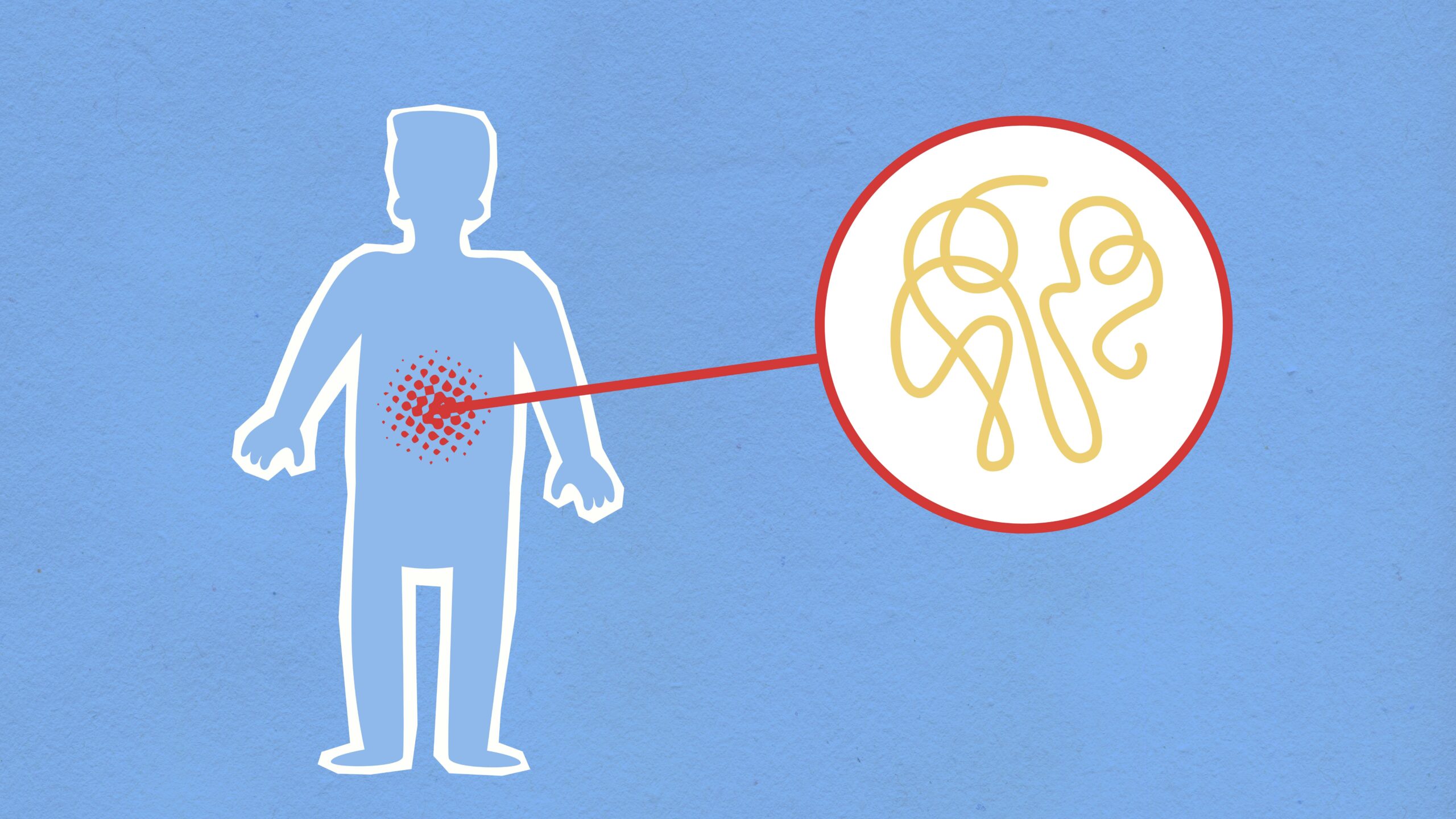
We all carry invisible baggage from our childhood—patterns of emotion, reaction, and behavior that shape how we navigate the world today. 🌱

These inherited emotional patterns often operate beneath our conscious awareness, influencing our relationships, career choices, parenting styles, and overall mental wellbeing. Understanding and breaking these cycles represents one of the most transformative journeys we can undertake toward creating a brighter, more authentic future for ourselves and generations to come.
The concept of inherited emotional patterns refers to the psychological and behavioral tendencies passed down through families, not through genetics alone, but through learned responses, environmental conditioning, and sometimes even trauma that becomes embedded in family systems. These patterns can manifest as anxiety, relationship difficulties, addiction tendencies, self-sabotage, or chronic feelings of inadequacy—often mirroring struggles our parents or grandparents faced.
🧬 The Science Behind Inherited Emotional Patterns
Recent research in epigenetics and developmental psychology has revealed fascinating insights into how emotional patterns transfer between generations. While we once believed that only genetic material passed from parent to child, scientists now understand that life experiences can actually alter gene expression without changing the DNA sequence itself.
Studies on Holocaust survivors and their descendants, for instance, have shown measurable biological markers of trauma in second and third generations who never experienced the original traumatic events directly. This demonstrates that our ancestors’ experiences can literally shape our stress response systems, emotional regulation capabilities, and mental health vulnerabilities.
Attachment theory, pioneered by psychologist John Bowlby, provides another framework for understanding inherited patterns. The attachment style we develop with our primary caregivers becomes a blueprint for future relationships. An anxiously attached parent often raises anxiously attached children, not through genetics, but through repeated interactions that teach the child what to expect from relationships and how emotions should be handled.
The Neuroscience of Emotional Inheritance
Our brains are remarkably plastic, especially during childhood. The neural pathways formed during our formative years create default patterns for processing emotions and responding to stress. When a child grows up in an environment where anger is explosive and unpredictable, their brain develops heightened threat-detection systems that may persist long into adulthood.
The amygdala, our brain’s fear center, can become hyperactive in individuals raised in chaotic or emotionally unstable environments. Meanwhile, the prefrontal cortex—responsible for rational thinking and emotional regulation—may develop differently when childhood experiences don’t provide adequate opportunities for learning healthy coping mechanisms.
🔍 Recognizing Your Inherited Emotional Patterns
The first step in breaking any cycle is recognition. Many people live their entire lives reacting from inherited patterns without ever questioning whether these responses truly serve them or simply represent learned behavior from previous generations.
Self-awareness requires honest reflection on family dynamics, recurring themes in your life, and the emotional atmosphere of your childhood. Ask yourself probing questions about the patterns you notice repeating across your family tree.
Common Signs of Inherited Emotional Patterns
- Finding yourself in similar relationship dynamics as your parents despite promising you’d do things differently
- Experiencing intense emotional reactions that seem disproportionate to present circumstances
- Repeating self-destructive behaviors that you witnessed in family members
- Feeling uncomfortable with emotional intimacy or vulnerable conversations
- Struggling with similar mental health challenges as parents or grandparents
- Perpetuating communication styles that caused you pain as a child
- Carrying unexplained anxiety, shame, or guilt that doesn’t connect to your personal experiences
- Noticing your children developing the same emotional struggles you faced
Journaling can be an invaluable tool for pattern recognition. Writing about your emotional responses, childhood memories, and family dynamics often reveals connections that aren’t immediately obvious. Many people experience profound revelations when they start documenting their inner world systematically.
💡 The Power of Awareness in Creating Change
Awareness itself is healing. When we can observe our patterns from a place of curious detachment rather than judgment, we create space between stimulus and response—the sacred pause where choice becomes possible.
Psychologist Viktor Frankl famously wrote, “Between stimulus and response there is a space. In that space is our power to choose our response. In our response lies our growth and our freedom.” This wisdom captures the essence of breaking inherited patterns: expanding that space of choice.
However, awareness alone isn’t always sufficient. Intellectual understanding must be accompanied by emotional processing and new behavioral practices. You might intellectually understand that your father’s critical voice shouldn’t influence your self-worth, yet still feel crushing shame at minor mistakes. This gap between knowing and feeling highlights the depth at which inherited patterns operate.
Moving From Understanding to Healing
Effective transformation requires working on multiple levels simultaneously: cognitive, emotional, somatic, and behavioral. Cognitive work involves challenging inherited beliefs and reframing narratives. Emotional work means feeling and processing suppressed emotions. Somatic work addresses how patterns live in the body as tension, posture, and physical symptoms. Behavioral work creates new neural pathways through repeated practice of healthier responses.
Therapeutic approaches like Internal Family Systems (IFS), Eye Movement Desensitization and Reprocessing (EMDR), and somatic experiencing have shown remarkable effectiveness in addressing inherited trauma and emotional patterns because they work holistically rather than exclusively through talk therapy.
🛠️ Practical Strategies for Breaking Emotional Cycles
Breaking inherited patterns requires consistent effort, patience, and often professional support. The following strategies provide a roadmap for this transformative work, though the journey looks different for everyone.
Therapy and Professional Support
Working with a skilled therapist trained in trauma-informed care, family systems therapy, or attachment-based approaches can accelerate healing significantly. A good therapist provides both the safety and the tools necessary for exploring painful family dynamics and developing healthier patterns.
Many people resist therapy due to stigma, cost, or skepticism about its effectiveness. However, research consistently demonstrates that therapy produces measurable improvements in emotional regulation, relationship quality, and overall life satisfaction—especially when addressing intergenerational patterns.
Mindfulness and Meditation Practices
Mindfulness practices train us to observe thoughts and emotions without immediately reacting to them. This observational capacity is crucial for breaking automatic patterns inherited from family systems.
Regular meditation strengthens the prefrontal cortex while calming the amygdala, literally rewiring the brain for better emotional regulation. Even ten minutes daily can produce measurable changes over time. Apps focused on meditation and mental wellness can provide structured guidance for developing a consistent practice.
Reparenting Your Inner Child
Many inherited emotional patterns stem from unmet childhood needs. The concept of “reparenting” involves providing yourself with the emotional support, validation, and healthy boundaries you needed but didn’t receive as a child.
This isn’t about blaming parents who did their best with their own inherited patterns. Rather, it’s about taking responsibility for giving yourself what you need now. Reparenting practices might include positive self-talk, setting healthy boundaries, allowing yourself to play and rest, or comforting yourself during difficult emotions.
Developing Emotional Literacy
Many people from emotionally repressive family systems never learned to identify, express, or regulate emotions effectively. Developing emotional literacy—the ability to recognize and name feelings—is foundational for breaking cycles.
Practice expanding your emotional vocabulary beyond “good,” “bad,” “fine,” and “stressed.” Learn to distinguish between anxiety and excitement, anger and hurt, shame and guilt. The more precisely you can identify emotions, the more effectively you can address their underlying causes.
🌟 Creating New Patterns: Building Your Emotional Legacy
Breaking cycles isn’t only about stopping harmful patterns—it’s equally about consciously creating healthier ones. What emotional legacy do you want to pass forward? What patterns of resilience, connection, and authenticity do you want to embody?
This proactive approach shifts the work from purely reactive healing to creative construction. You become the architect of new family traditions, communication styles, and ways of relating that future generations will inherit.
Modeling Healthy Emotional Expression
Children learn far more from what we do than what we say. When you handle disappointment with self-compassion, acknowledge mistakes gracefully, express needs directly, and repair relationships after conflict, you’re teaching invaluable emotional skills through modeling.
This doesn’t mean perfection—actually, allowing children to witness imperfect emotional processing followed by repair and reflection may be more valuable than appearing flawlessly regulated. It teaches that emotions are manageable and relationships can withstand ruptures.
Establishing Conscious Communication Patterns
Many inherited patterns perpetuate through communication styles—criticism, stonewalling, passive aggression, or emotional explosiveness. Consciously choosing different approaches transforms family dynamics.
Practices like nonviolent communication, active listening, and regular family check-ins create new patterns of openness and emotional safety. These don’t come naturally if you didn’t experience them growing up, but they can be learned and practiced until they become new defaults.
🌈 Navigating Resistance and Setbacks
Breaking inherited patterns rarely follows a linear trajectory. Expect setbacks, resistance—both internal and external—and moments of doubt. This is normal and doesn’t indicate failure.
Family systems have homeostasis—they resist change even when current patterns are dysfunctional. When you start changing, other family members may unconsciously try to pull you back into familiar roles and dynamics. This isn’t malicious; it’s simply how systems maintain equilibrium.
Setting Boundaries With Family Members
As you develop healthier patterns, you may need to establish new boundaries with family members who remain invested in old dynamics. This can feel deeply uncomfortable, triggering guilt or fear of rejection.
Remember that boundaries aren’t punishments—they’re acts of self-preservation and relationship health. Clearly communicated boundaries, maintained with compassion but firmness, actually create conditions for more authentic connection long-term.
Self-Compassion During the Process
You’ll inevitably find yourself falling back into old patterns, especially during stress. Rather than self-judgment, practice self-compassion. Recognize that you’re working against years or decades of conditioning, and change takes time.
Each time you notice an inherited pattern arising and choose differently—even if imperfectly—you’re creating new neural pathways and weakening old ones. Progress accumulates through repetition, not perfection.
🎯 The Ripple Effect of Personal Transformation
When you commit to breaking inherited emotional patterns, the impact extends far beyond your individual life. Your children, if you have them, inherit healthier patterns. Your relationships become more authentic and fulfilling. Your professional life often improves as emotional regulation and self-awareness increase.
Perhaps most significantly, you interrupt cycles that may have persisted through multiple generations, changing your family’s trajectory for everyone who comes after you. This isn’t grandiose—it’s the documented reality of how family systems evolve when one member commits to conscious change.
The work is challenging, requiring courage to face painful truths about your family and yourself. It demands persistence when progress feels slow and vulnerability when every instinct screams for self-protection. Yet the reward—living from authenticity rather than inherited scripts, offering future generations a healthier foundation, experiencing relationships characterized by genuine connection—makes the journey profoundly worthwhile.

🚀 Your Journey Begins With a Single Step
Breaking inherited emotional patterns isn’t a destination but an ongoing practice of awareness, choice, and growth. You don’t need to have everything figured out before beginning. In fact, the journey itself provides the learning and healing necessary for transformation.
Start where you are with whatever resources you currently have. Perhaps that means beginning a journaling practice, scheduling that first therapy appointment, or simply noticing when familiar patterns arise. Small, consistent actions accumulate into substantial change over time.
Remember that seeking help is strength, not weakness. Whether through professional therapy, supportive communities, educational resources, or mindfulness practices, surrounding yourself with tools and support accelerates healing and makes the journey less isolating.
The patterns you inherited weren’t your choice, but breaking them is. In making that choice, you reclaim authorship of your life story and create space for a brighter future—one built on conscious awareness rather than unconscious repetition. Your courage to do this difficult work doesn’t just transform your life; it transforms your family’s legacy for generations to come. 🌟