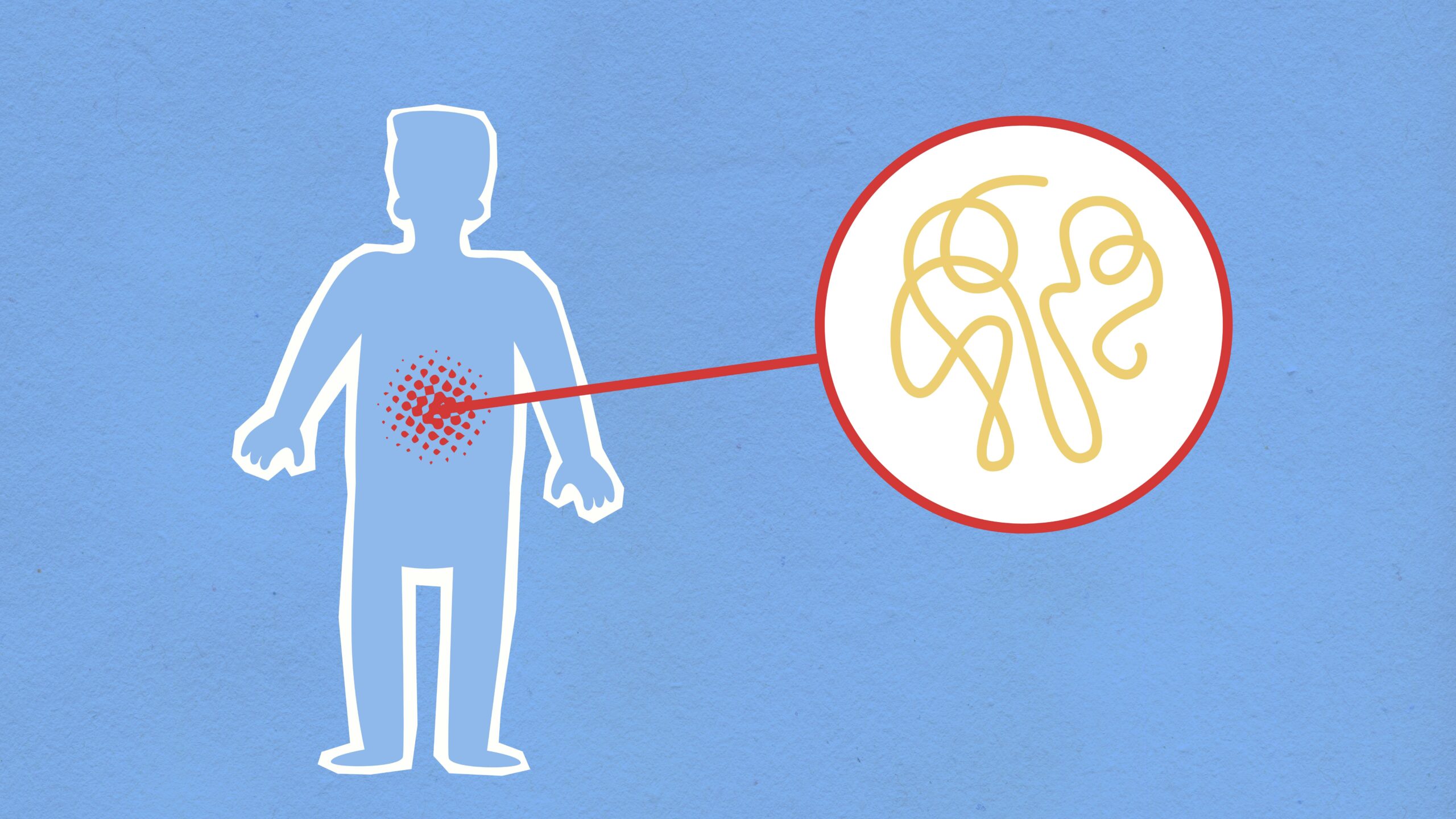
Our DNA is more than a biological blueprint—it’s a powerful force shaping who we are, how we think, and the decisions we make every day.

For decades, scientists have debated the age-old question of nature versus nurture, trying to determine whether our genes or our environment plays a more significant role in defining our behavior. Today, we understand that the answer isn’t one or the other—it’s both, working in intricate harmony. Recent advances in genetic research have revealed fascinating insights into how our DNA influences everything from our personality traits to our susceptibility to addiction, our risk-taking behavior, and even our capacity for empathy.
Understanding the genetic foundations of behavior doesn’t mean we’re simply puppets controlled by our chromosomes. Instead, it empowers us with knowledge about our predispositions, allowing us to make more informed choices about our health, relationships, and life paths. This exploration into the intersection of genetics and behavior opens doors to personalized medicine, better mental health treatments, and a deeper understanding of what makes each of us unique.
🧬 The Genetic Foundation of Human Behavior
Every cell in our body contains approximately 20,000-25,000 genes, encoded in over three billion base pairs of DNA. These genes don’t just determine our eye color or height—they produce proteins that influence neurotransmitter systems, hormone production, and brain structure, all of which directly impact how we behave and make decisions.
The relationship between genes and behavior operates through complex pathways. Genes influence the development and function of our nervous system, which in turn affects our emotions, thoughts, and actions. For example, variations in the DRD4 gene, which affects dopamine receptors in the brain, have been linked to novelty-seeking behavior and risk-taking tendencies. People with certain variants of this gene are more likely to seek thrilling experiences and embrace uncertainty.
Similarly, the MAOA gene, sometimes controversially called the “warrior gene,” affects the breakdown of neurotransmitters like serotonin and dopamine. Variations in this gene have been associated with increased aggression and impulsive behavior, particularly when combined with adverse childhood experiences. This illustrates an essential principle: genes load the gun, but environment pulls the trigger.
Epigenetics: When Environment Rewrites the Code
Perhaps the most revolutionary discovery in recent genetics research is epigenetics—the study of how environmental factors can change the way genes are expressed without altering the DNA sequence itself. This means that your experiences, diet, stress levels, and even your thoughts can literally change how your genes function.
Epigenetic modifications act like dimmer switches on genes, turning them up or down in response to environmental signals. These changes can be temporary or permanent, and remarkably, some can even be passed down to future generations. Studies on survivors of famine, for instance, have shown that the nutritional stress experienced by grandparents can affect the health and behavior of their grandchildren.
This dynamic interplay between genes and environment explains why identical twins, who share 100% of their DNA, can develop different personalities and make different life choices. Their genetic starting point is the same, but their unique experiences shape how those genes are expressed throughout their lives.
🧠 The Genetics of Personality and Temperament
Personality researchers have identified that approximately 40-60% of personality variation can be attributed to genetic factors. The famous “Big Five” personality traits—openness, conscientiousness, extraversion, agreeableness, and neuroticism—all show significant heritability.
The serotonin transporter gene (5-HTTLPR) is one of the most studied genes related to personality and emotional regulation. People with the “short” variant of this gene tend to show greater emotional reactivity and are more vulnerable to depression and anxiety, especially when facing stressful life events. However, they also demonstrate greater sensitivity to positive experiences and may benefit more from supportive environments and therapy.
Extraversion, the tendency to be outgoing and social, has been linked to dopamine system genes. Individuals with genetic variations that increase dopamine activity in certain brain regions often report higher levels of positive emotions and greater motivation to seek social interaction and rewards.
Behavioral Genetics and Twin Studies
Much of what we know about genetic influences on behavior comes from twin studies, which compare identical twins (who share all their genes) with fraternal twins (who share about 50% of their variable genes). These studies have revealed surprising findings:
- Intelligence (IQ) is approximately 50-80% heritable, with genetic influence increasing from childhood to adulthood
- Political attitudes show significant genetic influence, with conservatism and liberalism being partially heritable traits
- Religious behavior and spirituality demonstrate genetic components, though specific beliefs are culturally transmitted
- Marital satisfaction and divorce likelihood have genetic influences through personality traits and emotional regulation
- Career interests and job satisfaction show moderate heritability through cognitive abilities and personality factors
These findings don’t suggest that specific genes determine whether you’ll become a conservative voter or get divorced. Instead, they indicate that genetic influences on underlying traits like openness to new experiences, anxiety sensitivity, and reward seeking indirectly shape these complex behaviors.
💊 Genetics of Addiction and Compulsive Behaviors
Addiction is one of the most genetically influenced behavioral conditions, with heritability estimates ranging from 40-70% depending on the substance. Multiple genes interact to create vulnerability to addiction by affecting how the brain’s reward system responds to drugs, alcohol, and other potentially addictive stimuli.
The dopamine D2 receptor gene (DRD2) plays a crucial role in addiction susceptibility. People with certain variants have fewer dopamine receptors in their brain’s reward centers, which may lead them to seek more intense stimulation from substances or behaviors to achieve the same level of satisfaction. This genetic predisposition doesn’t guarantee addiction, but it increases vulnerability, especially when combined with environmental risk factors like stress, trauma, or easy access to addictive substances.
Genes affecting alcohol metabolism also influence drinking behavior and alcoholism risk. For example, variants in the ALDH2 gene, common in East Asian populations, cause uncomfortable reactions to alcohol consumption, providing a protective effect against alcohol use disorder. This demonstrates how genetic variations can actually protect against certain behavioral outcomes.
Beyond Substance Addiction: Behavioral Compulsions
Genetic research has expanded to include behavioral addictions like gambling, gaming, and compulsive internet use. These conditions share neurobiological pathways with substance addictions, involving similar genetic risk factors related to impulse control, reward processing, and executive function.
The genetics of compulsive behaviors highlight an important principle: many genes that influence behavior are pleiotropic, meaning they affect multiple traits simultaneously. A genetic variant that increases risk for one type of addiction may also influence susceptibility to others, as well as related conditions like ADHD, depression, or anxiety disorders.
🎭 Emotional Regulation and Mental Health
Our genetic makeup significantly influences how we experience and regulate emotions, which in turn affects our mental health and decision-making. Genes involved in the production, reception, and breakdown of neurotransmitters like serotonin, dopamine, and norepinephrine create individual differences in emotional reactivity, mood stability, and stress resilience.
Depression and anxiety disorders show substantial heritability, with genetic factors accounting for approximately 40% of the risk. However, no single “depression gene” exists. Instead, hundreds of genetic variants, each with small effects, combine to influence vulnerability to mood disorders. Recent genome-wide association studies have identified numerous genes involved in brain development, synaptic function, and neural plasticity that contribute to depression risk.
The BDNF gene, which produces brain-derived neurotrophic factor, is particularly interesting. This protein supports the survival of existing neurons and encourages the growth of new neurons and synapses. Variations in the BDNF gene have been associated with depression, anxiety, and memory function, and importantly, with how well people respond to antidepressant treatments and psychotherapy.
Resilience and Post-Traumatic Growth
While much research focuses on genetic vulnerability to mental health problems, emerging studies examine the genetics of resilience—why some people bounce back from adversity while others struggle. Genes affecting the stress response system, including the FKBP5 gene involved in cortisol regulation, influence how individuals respond to traumatic experiences.
Interestingly, some genetic variants associated with increased vulnerability to stress and trauma also confer greater benefits from positive environments and interventions. This concept, called “differential susceptibility,” suggests that certain individuals are more plastic or responsive to their environment—for better or worse. These “orchid” individuals (as opposed to more resilient “dandelions”) struggle in harsh conditions but flourish more than others in supportive environments.
🤝 The Genetics of Social Behavior and Empathy
Humans are fundamentally social creatures, and our genes play a significant role in shaping our social behaviors, from how empathetic we are to how we form and maintain relationships. The oxytocin system, often called the “bonding hormone,” has genetic variations that influence social cognition, trust, and emotional bonding.
The OXTR gene, which encodes the oxytocin receptor, has variants associated with differences in empathy, social skills, and relationship quality. People with certain variants show greater sensitivity to social cues and report higher quality relationships, though they may also experience more social stress. This same gene has been linked to autism spectrum traits, highlighting how genetic variations can influence the entire spectrum of social behavior.
Prosocial behavior—the tendency to help others even at personal cost—also shows genetic influence. Twin studies suggest that approximately 30-50% of variation in charitable giving, volunteering, and cooperation can be attributed to genetic factors. These influences likely work through personality traits like empathy and agreeableness, as well as through the brain’s reward system, which makes helping others feel good.
🔬 Personalized Interventions Based on Genetic Insights
Understanding the genetic basis of behavior opens exciting possibilities for personalized approaches to education, therapy, and lifestyle design. Pharmacogenomics—the study of how genes affect drug response—is already being used to match psychiatric medications to individual genetic profiles, improving treatment outcomes and reducing side effects.
For example, genetic testing can identify variations in the CYP450 genes that affect how quickly the liver metabolizes many psychiatric medications. This information helps doctors prescribe the right medication at the right dose from the start, rather than using trial and error. Similarly, genetic insights into ADHD can help identify which children are most likely to respond to stimulant medications versus behavioral interventions.
Beyond medicine, genetic knowledge can inform educational strategies. Children with genetic profiles associated with reading difficulties might benefit from earlier, more intensive phonics instruction. Understanding genetic predispositions toward anxiety or depression can help individuals and families implement preventive strategies like stress management, regular exercise, and strong social connections before problems develop.
Ethical Considerations and Genetic Privacy
As genetic testing becomes more accessible and affordable, important ethical questions arise. How should genetic information about behavioral predispositions be used? Who should have access to this information? Could genetic profiling lead to discrimination in employment, insurance, or education?
The risk of genetic determinism—the false belief that genes rigidly determine behavior—is particularly concerning. It’s crucial to remember that genetic predispositions are not destinies. Environmental factors, personal choices, and interventions can significantly modify how genetic tendencies manifest in actual behavior. Overemphasizing genetic influences could lead to fatalism or excuse harmful behaviors as “genetic.”
🌟 Harnessing Genetic Knowledge for Better Choices
Rather than viewing genetic influences as limitations, we can see them as valuable information for making more informed life decisions. Understanding your genetic predispositions doesn’t remove free will—it enhances it by providing self-knowledge that can guide your choices.
If you have genetic variants associated with addiction vulnerability, you might choose to be more cautious about substance use and develop strong coping strategies for stress. If your genetic profile suggests higher anxiety sensitivity, you might prioritize regular exercise, mindfulness practices, and stable routines that support emotional regulation. Those with genetic advantages in certain cognitive areas might be encouraged to develop those talents further.
The future of behavioral genetics lies not in genetic determinism but in gene-environment optimization—understanding how to create environments and make choices that bring out the best in our genetic potential while minimizing risks. This personalized approach recognizes that what works for one person might not work for another, and that’s okay. Our genetic diversity is a feature, not a bug, contributing to the adaptability and resilience of our species.
🎯 Moving Forward: Genes, Choice, and Human Potential
The science of behavioral genetics reveals a nuanced truth: we are neither blank slates written entirely by experience nor rigidly programmed automatons controlled by our genes. Instead, we exist in a dynamic space where genetic predispositions interact with environmental influences and personal agency to shape who we become.
Your DNA influences your behavior and choices, but it doesn’t dictate them. Genes affect probabilities, not certainties. They create tendencies, not mandates. Understanding this empowers us to work with our nature rather than against it, to recognize our strengths and vulnerabilities, and to make conscious choices about how we want to develop and grow.
As research continues to uncover the genetic foundations of behavior, we’re learning that the old nature versus nurture debate was asking the wrong question. It’s not nature or nurture—it’s nature and nurture, in constant conversation, each influencing the other throughout our lives. The genetic revolution in behavioral science isn’t about limiting human potential; it’s about understanding it more fully so we can help every individual flourish in their own unique way.
The power of genetics lies not in predetermination but in possibility—the possibility of understanding ourselves better, creating more effective interventions for those who struggle, and building environments that allow everyone’s genetic potential to shine. As we continue unlocking the secrets hidden in our DNA, we’re not discovering our limitations but rather mapping the incredible complexity and adaptability that makes us human. 🧬✨